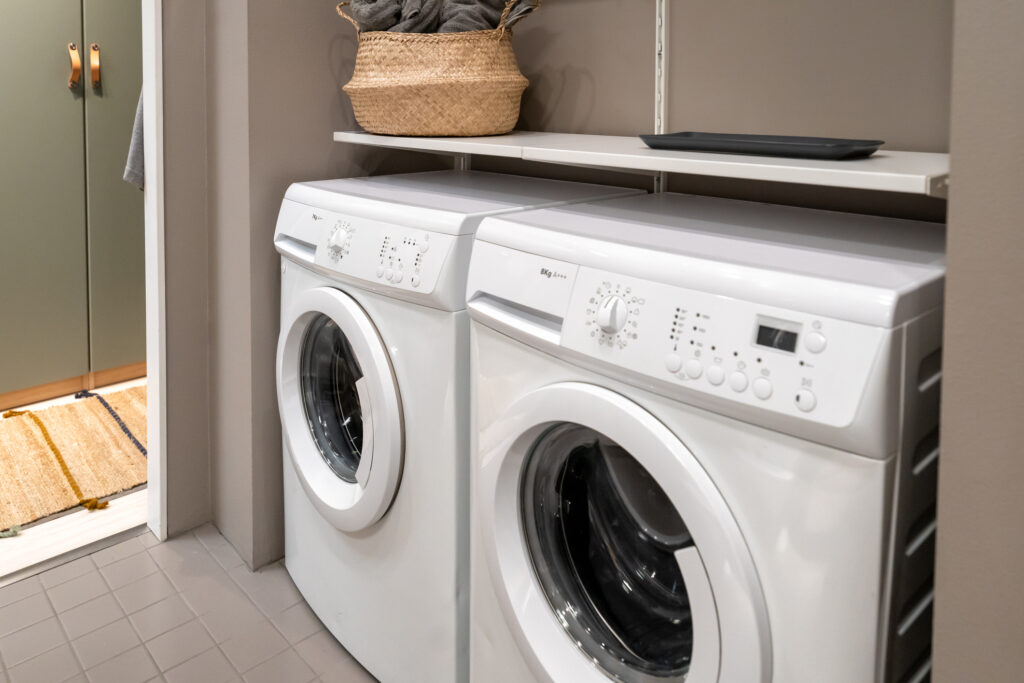



Washing machines that fail to spin can leave you with a soggy pile of clothes that are difficult to dry and don’t feel clean. Spinning malfunctions are some of the most common issues that washer can experience, disrupting your laundry routine and leading to frustration. Thankfully, this problem can be easily identified and resolved without having to shop for a replacement washing machine.
In this blog post, the appliance repair specialists at Detroit Appliance explain the most common causes of a washer not spinning and what you can do to fix them before calling in the experts.
Troubleshooting a Washing Machine That Won’t Spin
When troubleshooting your washing machine’s spinning failures, it’s important to first identify the root cause of the issue. Each of the common causes below requires its own unique fix, so review carefully to determine which is likely the culprit behind your machine’s spinning failure:
Broken Lid Switch
Many top-loading washers have a lid switch that detects whether the lid is closed. If the switch is broken, the washer won’t spin as a safety precaution during its cycle.
Solution: Check if the lid switch is making a clicking sound when you close the lid. If you don’t hear this sound, the lid switch is likely not working. Call our team to schedule repairs for your washing machine.
Clogged Drain Hose or Pump
When your washer doesn’t drain properly, it also won’t spin properly. This happens most often when there’s a clog in the drain hose or pump that prevents water from exiting the machine.
Solution: Inspect the drain hose for kinks, twists, or blockages, removing the hose and clearing any present clogs. Be careful, as this process can involve water spillage. Additionally, be sure to check the pump for debris, such as lint, small items, or coins. If the drain pump itself is damaged, it may require replacement.
Issues With the Washer Timer
The washer timer is responsible for controlling different cycles, including the spin cycle. If the timer is malfunctioning, the machine may not progress to the spin stage.
Solution: Inspect to see if the time is advancing through the cycles properly. If you have one, you can use a multimeter tool to test for continuity in the timer. If the timer is faulty, professional washing machine repairs will be necessary as replacing this component can be complex.
Overloaded Washer
Overloading the washing machine with too many clothes is a surefire way to strain the motor and prevent your appliance from completing a proper spin cycle.
Solution: Avoid overloading the unit by reducing your load size and running the spin cycle again. Follow the manufacturer’s guidelines for load capacity. Overloading can also strain the motor over time, so avoid frequent heavy loads.
Unbalanced Load
If the load inside the drum is uneven, the washer may detect an imbalance and automatically stop spinning to prevent equipment damage.
Solution: Open the washer and redistribute the clothes evenly in the drum. For top-loading washers, be sure that items are spread out around the agitator. Avoid washing a single bulky item, such as a blanket or duvet, without balancing it with smaller items.
Schedule Professional Washing Machine Repairs with Detroit Appliance
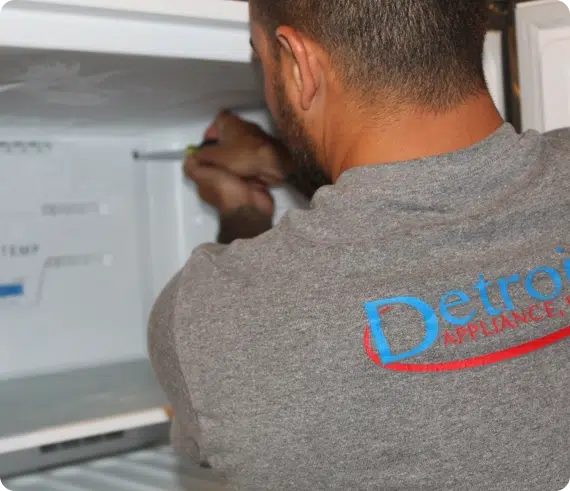
If you’ve tried the troubleshooting tips above and your washer still won’t spin, it’s time to call in the professionals. Detroit Appliance specializes in diagnosing and fixing washing machines of all makes and models. Our skilled technicians have the tools and expertise to get your washer back up and running quickly, allowing you to resume your laundry routine in no time.
Don’t let a broken washing machine disrupt your day! Contact us to schedule professional washing machine repair in Metro Detroit.
Frequently Asked Questions About Washer Spin Problems
What should I check first when my washer won’t spin?
Confirm that the washer is receiving power, the lid or door is fully closed, and the selected cycle includes a spin phase. Then reduce the load size, redistribute the clothing evenly, and inspect the drain hose for visible kinks. If the washer still will not spin, an internal component may need professional diagnosis.
Can an unbalanced load stop a washing machine from spinning?
Yes. Many washing machines automatically slow or stop the spin cycle when clothing collects on one side of the drum. Pause the cycle and distribute the items evenly before restarting it. Avoid washing one bulky item by itself because it may repeatedly create an imbalance.
Why won’t my washer spin when there is water still in the drum?
Most washing machines must drain before beginning the final spin cycle. Water may remain in the drum because of a clogged drain hose, blocked pump filter, jammed drain pump, or failed pump motor. Correcting the drainage problem may allow the washer to spin normally again.
Why are my clothes still wet if the washer is spinning?
The drum may be turning without reaching the speed needed to extract enough water from the clothing. An unbalanced load, excessive detergent, a partially blocked drain, or a worn drive component can cause a weak or interrupted spin cycle.
Should I repair or replace a washer that won’t spin?
Repair may be the better option when the washer is otherwise reliable and the problem involves a replaceable component such as a lid switch, drain pump, belt, or door lock. Replacement may make more sense for an older washer with repeated problems or when the estimated repair cost is high compared with the cost of a new machine.
Helpful Washing Machine Repair Resources
- Washer and Dryer Repair Services
- Appliance Brands We Service
- Samsung Appliance Repair
- Whirlpool Appliance Repair
- GE Appliance Repair
- LG Appliance Repair